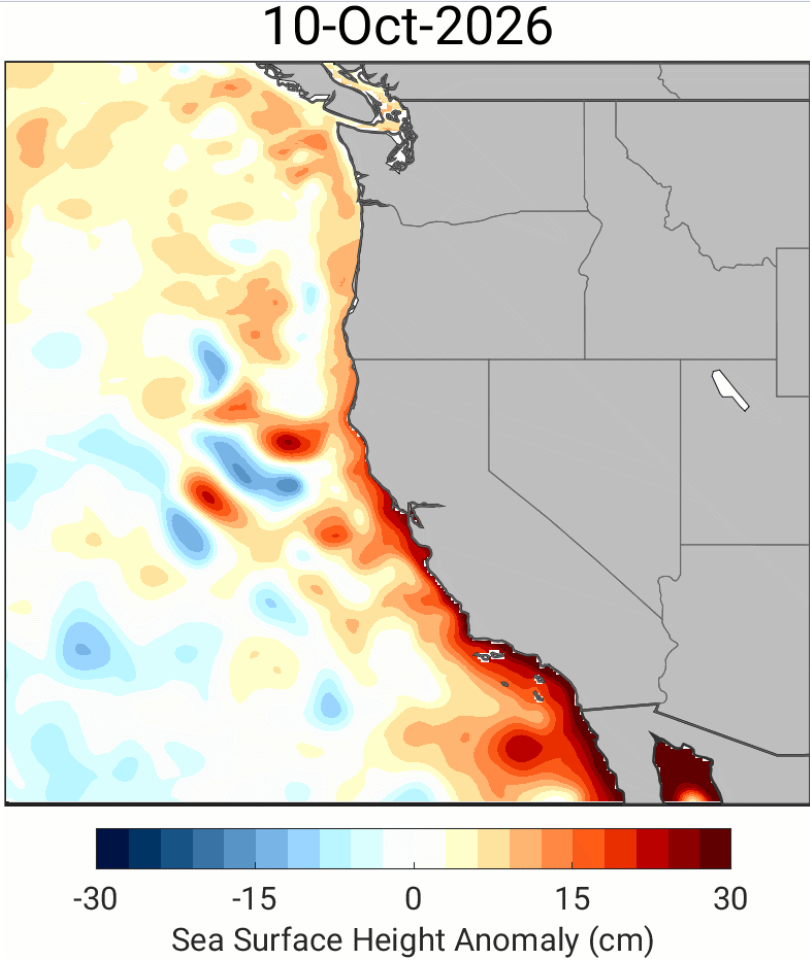
Kelvin waves can develop along the equator during El Niño years, when a vast region of water in the Pacific Ocean becomes much warmer than usual. Some of this warm water, in the form of a Kelvin wave that stretches thousands of miles, moves slowly east beneath the ocean’s surface until it reaches South America. Then it splits, traveling north along the West Coast and as far south as Chile, increasing the risk of flooding and coastal erosion. Click here to learn more about Kelvin waves and this year’s expected “super El Niño”.
St. Timothy’s Episcopal Church